Fall of Khan Brothers Revives Debate Over Sexual Misconduct Allegations Involving Ahmadiyya-Linked Figures

The removal of Karim Ahmad Khan from his post as Prosecutor of the International Criminal Court (ICC) has renewed public attention to a family whose two most prominent public figures have separately seen their careers collapse over sexual misconduct cases.
Karim Ahmad Khan was removed from office after ICC member states voted to dismiss him following findings related to sexual misconduct allegations. Khan has denied wrongdoing and has said he intends to challenge the decision.
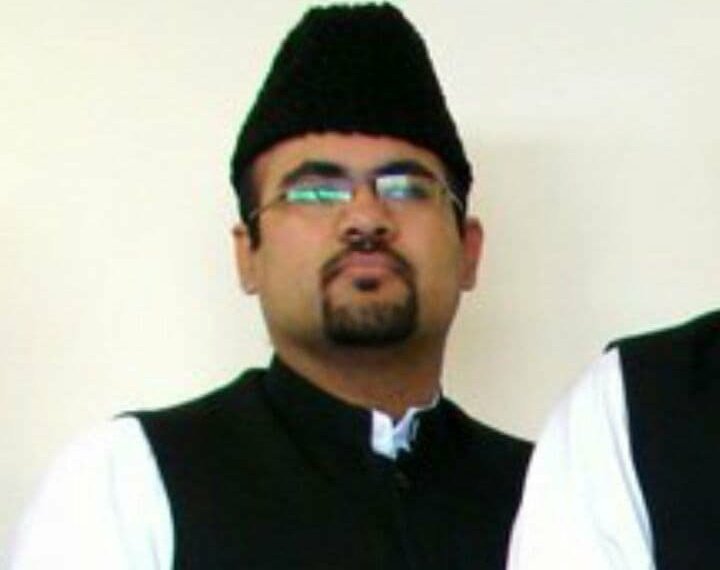
His downfall follows that of his younger brother, former British Conservative MP Imran Ahmad Khan, whose political career ended after he was convicted in 2022 of sexually assaulting a 15-year-old boy. The conviction resulted in his removal from Parliament and a prison sentence.
For years, both brothers were celebrated within the Ahmadiyya Muslim Community for their professional achievements. Community publications and events highlighted Karim Ahmad Khan’s appointment as ICC Prosecutor as a source of pride, while Imran Ahmad Khan’s election to the British Parliament was also publicly recognized. Karim Ahmad Khan’s ties to the community are further strengthened through his marriage to Sahibzadi Yasmin Rehman, daughter of the late Fourth Ahmadiyya Caliph, Mirza Tahir Ahmad.
The brothers’ subsequent downfalls, however, have drawn renewed scrutiny because both held positions of significant public trust before becoming embroiled in separate sexual misconduct cases. Although the cases are unrelated and involve different legal proceedings and findings, they have together brought unwelcome attention to a family once widely admired in Ahmadiyya circles.
Khans come from a prominent family. Their father, Dr. Saeed Ahmad Khan, was a Pakistani-born consultant dermatologist who later practiced in the United Kingdom. Karim built an international legal career spanning more than three decades before becoming ICC Prosecutor in 2021, while Imran entered British politics as the Conservative MP for Wakefield in 2019.
There is no evidence that the Ahmadiyya Muslim Community or its leadership was involved in, or responsible for, the conduct alleged in either case. The connection is one of family and public recognition, not organizational involvement.
The cases involving Karim Ahmad Khan and Imran Ahmad Khan have also revived broader questions among critics about how allegations of sexual misconduct are addressed within some religious and community institutions. Previous controversies involving individuals associated with the Ahmadiyya Muslim Community — including allegations raised publicly by Nida-ul-Nasser and other disputes involving figures such as Rana Luqman and Muneeb-ur-Rehman — have fueled debate over transparency, accountability, and the treatment of complainants.
Critics argue that repeated controversies involving individuals connected to influential circles raise questions about whether internal mechanisms are sufficient to address allegations of misconduct. Supporters of the community, however, have rejected claims that the actions of individuals represent the values or conduct of the wider membership.
The recurring public discussion has shifted the focus from individual cases alone to a broader debate about safeguarding, accountability structures, and institutional responses when allegations involve people holding positions of influence.